Parking Lot Pressure Washing: Business Safety Guide
Business owners tend to think about pressure wash parking lot services as a cosmetic decision, something that makes the property look a little nicer for customers walking in. What often gets overlooked entirely is the liability sitting quietly beneath that grime, since a slip-and-fall claim tied to a neglected, algae-slicked parking surface can cost a business exponentially more than the cleaning ever would have.
The Hidden Cost Sitting in Your Parking Lot Right Now
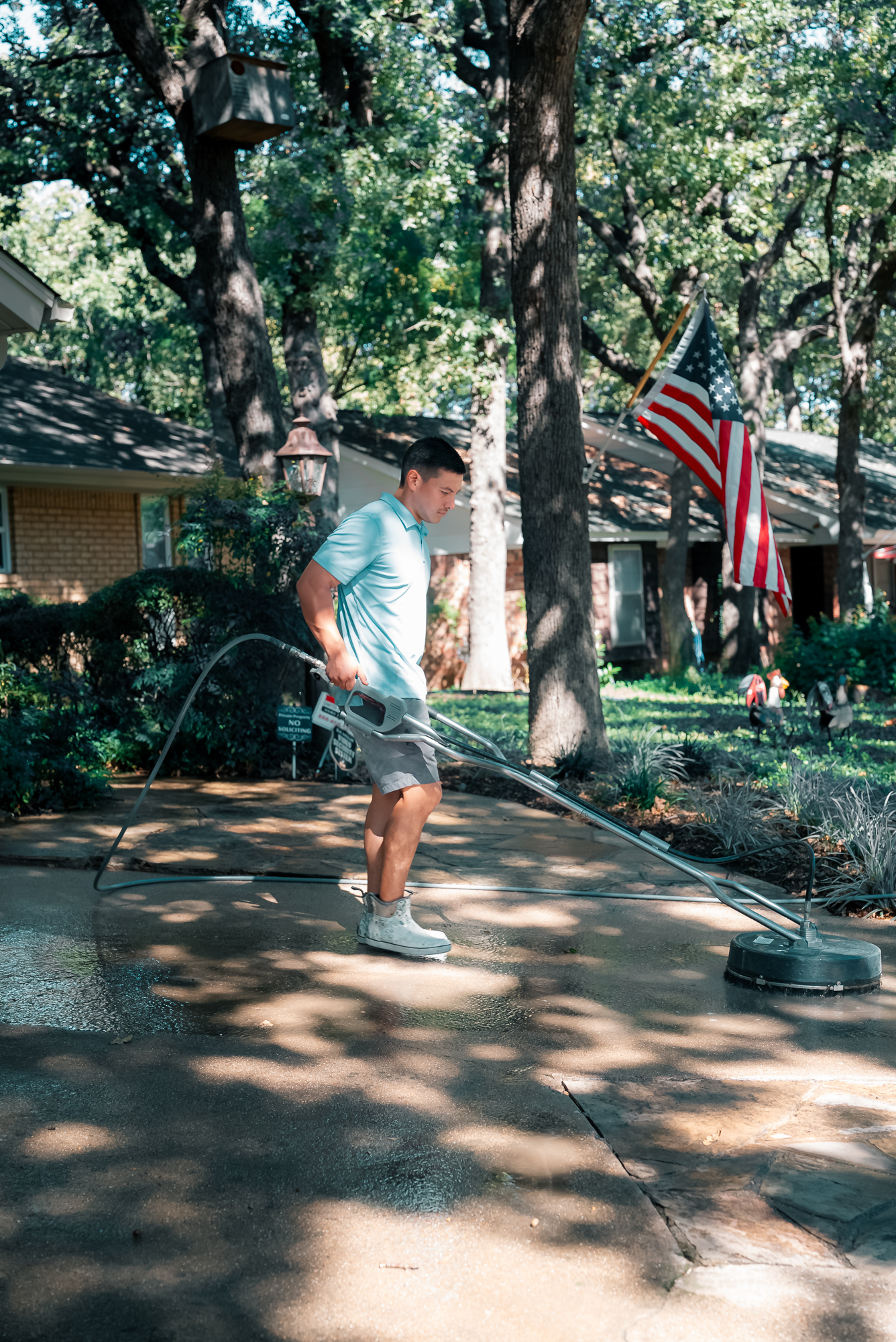
Oil residue, algae growth, and accumulated grime don't just look unpleasant; they create genuinely slick surfaces that become dangerous the moment moisture is added, whether from rain, sprinkler overspray, or simple morning dew. Parking lot pressure washing performed on a regular schedule removes exactly the buildup responsible for the majority of slip-and-fall incidents that occur in commercial parking areas.
A single slip-and-fall claim involving a customer injury can run into tens of thousands of dollars once medical costs, legal fees, and potential settlement amounts are factored in, a figure that dwarfs the cost of routine cleaning by an enormous margin.
Comparing the Real Numbers
Scenario | Typical Cost Range |
Routine parking lot pressure washing (annual) | A few hundred to low thousands, depending on size |
Minor slip-and-fall settlement | Several thousand to tens of thousands |
Serious injury claim with medical costs | Can exceed six figures |
Increased insurance premiums after a claim | Ongoing cost, often for years |
Legal fees regardless of claim outcome | Thousands, even if the business is found not liable |
Looking at these numbers side by side makes the actual math fairly stark. Pressure wash parking lot maintenance performed proactively is a modest, predictable business expense, while the cost of a single incident tied to neglected surfaces is neither modest nor predictable.
Why Insurance Doesn't Fully Solve This Problem
General liability insurance helps cover claim costs, but it doesn't prevent the increased premiums that typically follow a claim, and it doesn't cover the reputational damage that comes with a public injury incident tied to a business's own parking lot. Prevention through routine cleaning addresses the root problem rather than simply managing the financial fallout after it happens.
What a Proactive Maintenance Schedule Actually Looks Like
Assess parking lot surfaces at least twice a year, more often in shaded or high-moisture areas.
Schedule pressure washing before seasonal weather changes that increase moisture exposure.
Pay particular attention to areas near landscaping, drains, and shaded building sides where algae accumulates fastest.
Document cleaning dates as part of general property maintenance records.
Address oil stains and chemical spills promptly rather than waiting for the next scheduled cleaning.
Legacy Power Wash works with commercial property owners and managers to build maintenance schedules around these exact risk factors, rather than treating every parking lot the same regardless of its actual exposure and traffic patterns.
Why Documentation Matters as Much as the Cleaning Itself
Beyond the physical safety benefit, maintaining a documented cleaning schedule provides genuine legal protection if an incident does occur despite reasonable maintenance efforts. Being able to show a consistent, proactive cleaning history demonstrates due diligence, which can meaningfully affect how a liability claim gets evaluated.
A Clean Lot Is Cheaper Than a Claim, Every Single Time
Parking lot pressure washing isn't just about appearance; it's one of the most cost-effective liability protections a business can put in place. Legacy Power Wash helps property owners across the Arlington area build maintenance schedules that address real slip hazards before they turn into real claims. The math is simple: a modest, predictable maintenance cost will always beat the unpredictable expense of an injury claim tied to a surface that was never properly maintained.
FAQs
Q: How often should a commercial parking lot be pressure washed?
A: Most commercial lots benefit from cleaning at least twice a year, though properties with heavy shade, moisture exposure, or high traffic may need more frequent attention.
Q: Can pressure washing actually reduce slip-and-fall liability?
A: Yes. Removing oil residue, algae, and grime buildup directly addresses the surface conditions most commonly responsible for slip-and-fall incidents in parking areas.
Q: Does business insurance cover slip-and-fall claims from a dirty parking lot?
A: Insurance typically covers some claim costs, but it doesn't prevent increased premiums afterward or eliminate legal fees, making prevention considerably more cost-effective long-term.
Q: What areas of a parking lot are most prone to slip hazards?
A: Shaded areas, spots near landscaping or drains, and locations with limited sun exposure tend to accumulate algae and moisture-related buildup fastest.
Q: Does a documented cleaning schedule actually help in a liability claim?
A: Yes. Demonstrating a consistent, proactive maintenance history can support a business's case that reasonable care was taken, which may affect how a claim is evaluated.